
Resilient Futures
Enhancing the wellbeing of communities living around ecosystems while improving ecological functionality is the keystone for climate action through biodiversity conservation. These ecosystems and the biodiversity they contain are critical in our fight against climate change. Our climate change models often assume the current level of ecosystem services in a business-as-usual scenario. However, these ecosystems face competing demands and, in some cases, degradation. Therefore, balancing the aspirations of communities, particularly in the Global South, with climate action and biodiversity conservation is the aim of our team. A major portion of our work has focused on addressing inequities faced by these communities through precision interventions backed by data.
Our work, though located in India, is oriented towards creating prototypes for the world. India, with its population density and biodiversity, provides conditions that can serve as a prototype to customise and adapt solutions for the Global South.
The Resilient Futures (earlier Conservation Behaviour) team is currently working on the following four projects:
Water Heater Project
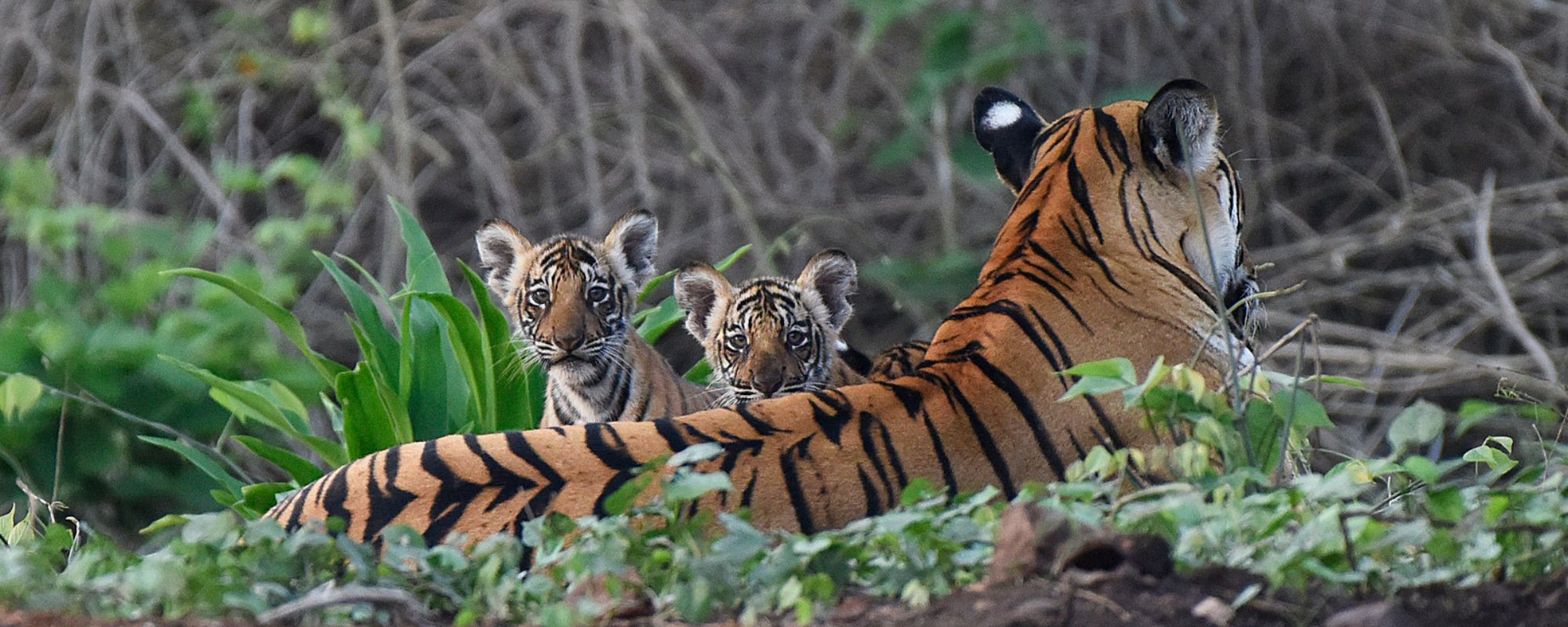
Nearly a decade of tiger-monitoring studies in the Greater Tadoba Landscape in Central India by our Conservation Research department have helped us unambiguously identify bottlenecks in the region’s wildlife corridors, and also the villages that have a high potential of negative interactions with tigers.
Subsequently, extensive economic and psychosocial studies have helped us identify one of the key drivers of forest degradation – sustained fuelwood extraction.
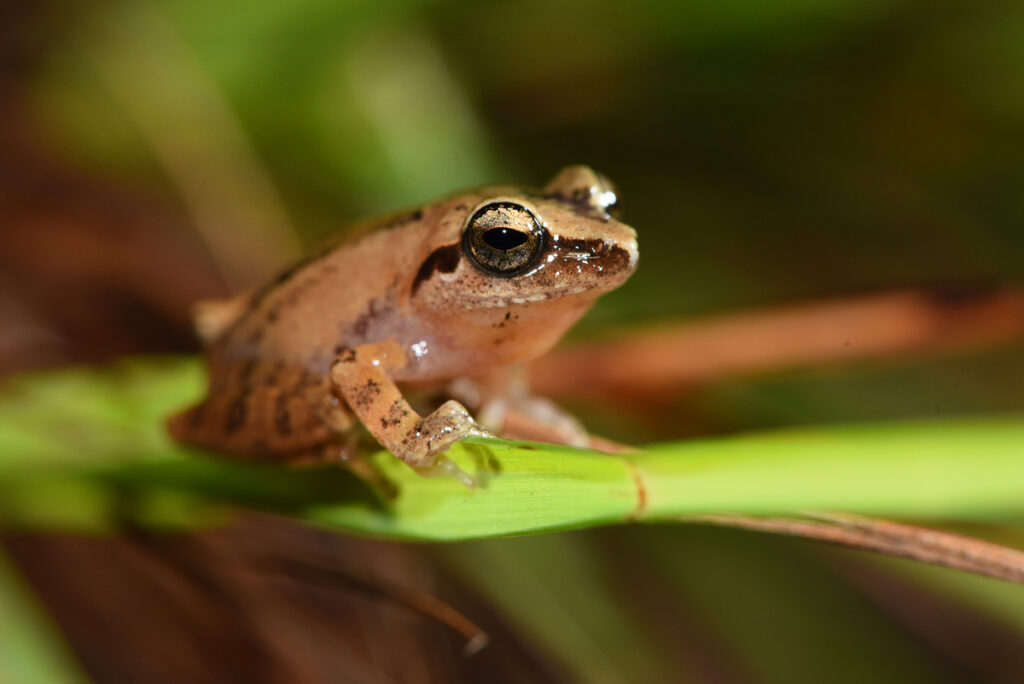
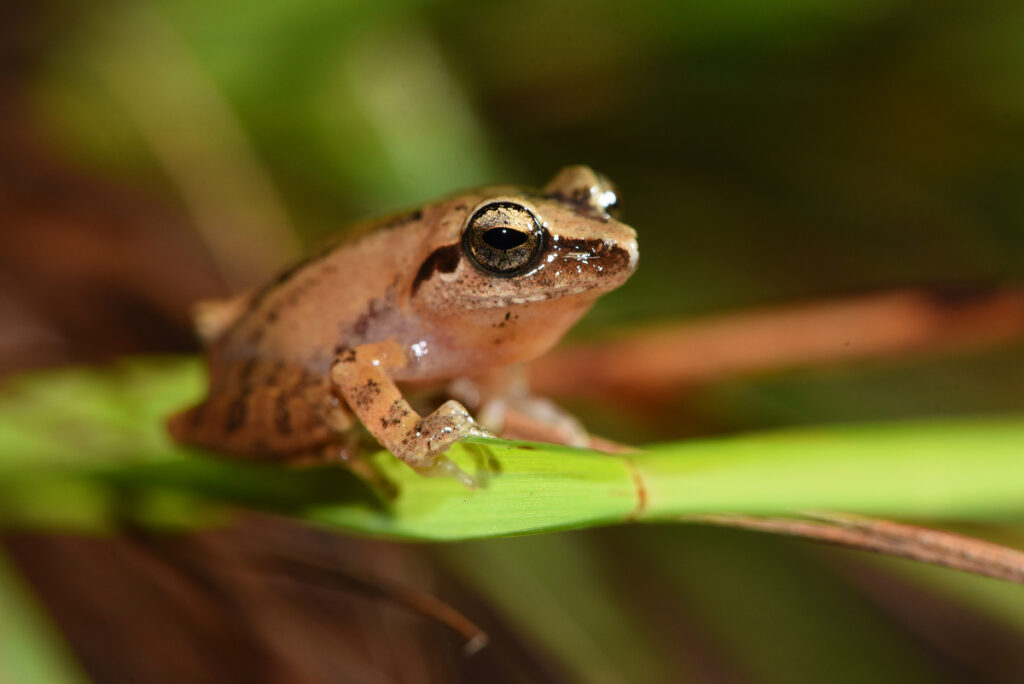
Women have to walk several kilometres to bring firewood from the forest. Apart from the physical hard work, there is always a possibility of encountering a wild animal (left). Memorial of a man killed by a tiger (right).
WCT Brochure